For an average music listener, electronic sounds are very much familiar as they are now so much integrated into the music we hear everyday. Electronic music is getting better and gaining audience as we progress; it has never been so big and had such reach as it has today. So to give a little perspective on how these sounds are different and how it has changed the music for the better or worse, this article will provide you a little taste of what it’s like to be a music producer.
So to start with the basics, what are electronic sounds and why it’s different from traditional instruments that we are familiar with?
Electronic sounds are simple signal shapes that are sent to the amplifier which gets converted into magnetic flux which creates sounds through the speaker that we hear; and there’s a reason why it sounds different from traditional instruments as these shapes are very minimal in nature and doesn’t have much complexities to it.
For instance a guitar string when plucked would produce a certain frequency but when we see its wave form it’d be much complicated with its overtones all over the frequency spectrum but when we compare it with square wave, it has very definitive, mathematical overtones that are spread across the frequency spectrum. Over tones are nothing but the extra sound frequency that are present in the sound along with the dominant sound known as fundamental frequency which is the loudest with respective to the overtones.
So the electronic sounds that are basically Pluck, Pads, Stabs, Hits are made using basic wave forms such as Sine, Saw, Square, Triangle, Pulse and noise. Each waveform has its own, very distinguishable character to it.
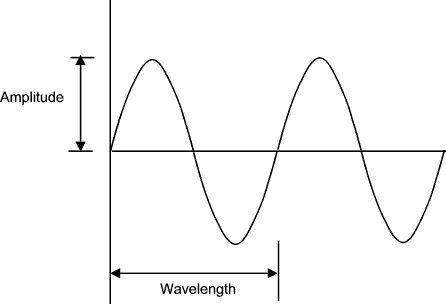
A pure Sine wave, also knows as Pure tone has no overtones and will only the produce the frequency that is being played without any harmonics and overtones to it. It’s so pure, and can be called artificial as it doesn’t exist in nature.
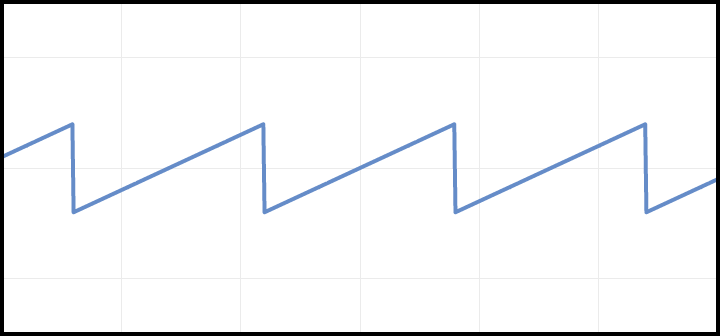
A Saw wave is harsh sounding waveform which is rich in overtones in the higher frequencies. It is used to make sounds that resemble strings, and strikes that gives more impact and attention.

A square wave is more pleasant wave which has even harmonics to it. Saw wave is good for making bass sounds as in the lower octaves sound when distorted doesn’t make it uncontrollable and sounds pleasant to ears.

A Triangle wave is a slight modified sine wave form with more harmonics introduced to it. It is pleasant to hear and has a upper register that makes good leads sounds with even as well as odd harmonics.
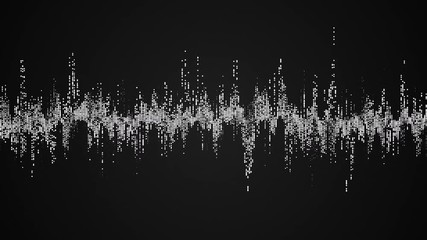
Noise is used more of a tool to make other sounds more apparent and recognizable, as our are used to hear sound and music with a slight noise that is always present in the background, so noise helps in providing a floor to these electronic sounds that are not very used to our ears.
With all these wave forms that are at are present, when they are layered together or when used to manipulate the nature of one wave form to introduce characters of others things get interesting. As we are only scratching the surface of basics of synthesis but through, filters, effects like reverb, chorus, flanger, phaser and distortion the waveform gets more complex and the process gets more advanced. There is virtually no limits to up to what extent we can manipulate sounds to make something new and amazing and that’s the beauty of electronic music that it gives freedom that only stops at your own ability to imagine and execution.
 DesignWave